A Brief History of the Arabic Computer
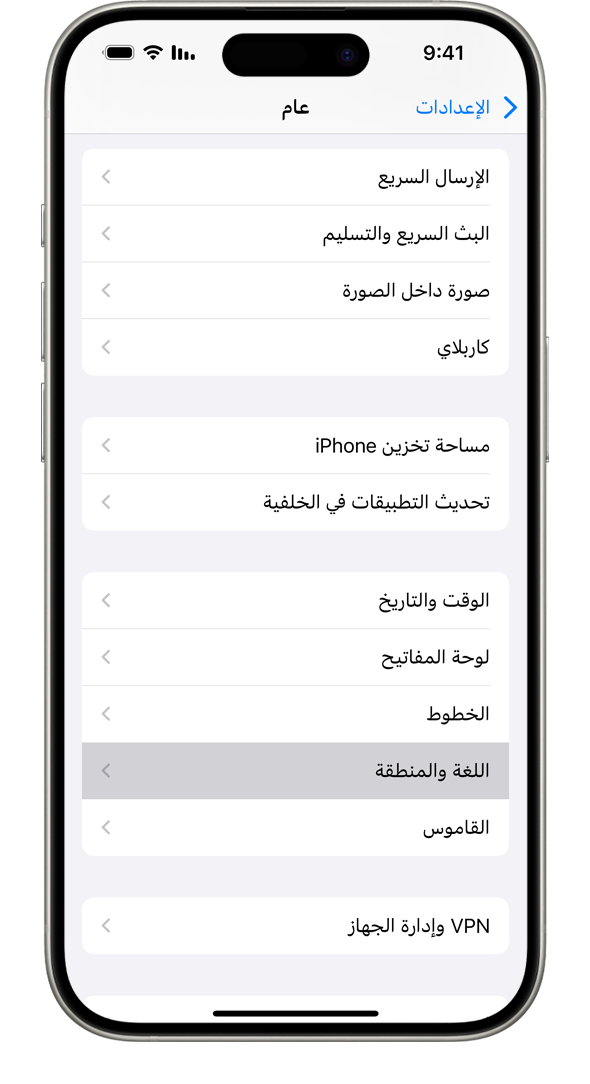
An overview of fifty years of Arabic-supporting computers, from the IBM 1401 to the smartphone.
Series: arabic.computer
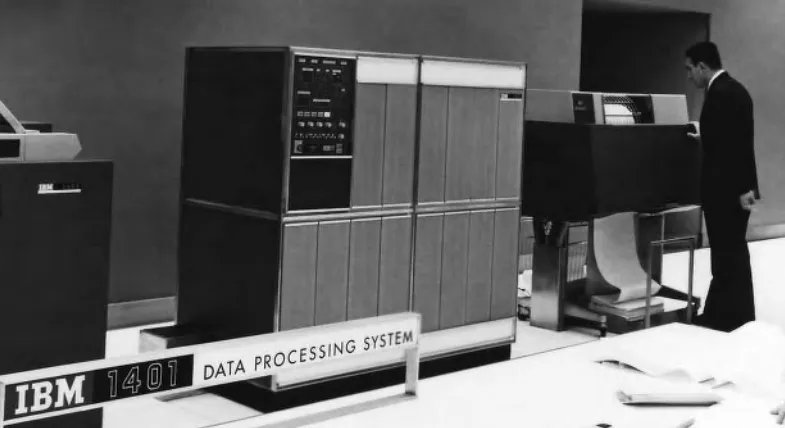
To kick off the set of articles in which we will conduct in-depth research about Arabic-based computers, we will first provide an overview of the key computers and the chronological events in the last fifty years that support the Arabic language. For this article, we will begin with the 1970s period when personal computers were first invented. The periods between the 1940s and the 1970s when computer mainframes and minicomputers existed will be excluded for now because I currently do not have evidence of computers before the 1970s that supported the Arabic language. We do know, however, that Arab countries, such as Saudi Arabia, first used computers as early as the 1940s. For instance, Aramco of Saudi Arabia used electronical tabulating machines in the 1940s and later purchased the first IBM mainframes in the 1950s (Almowanes, 2017). We also know that many institutions around the Arab world purchased and made use of the IBM 1401 in the 1960s for data processing. At that time, the IBM 1401 Data Processing System was the most popular computer in the world and was used for all sorts of data processing, but it only supported left-to-right Latin characters at the time.
Note: In subsequent research, I will dig through the research archives to determine if there were any attempts to modify the IBM 1401 to support the Arabic language and report back.)
فترة السبعينيات – The 70s Period
The 1970s period was the decade in which personal computers were first invented, beginning with the Kenbak-1 in 1971, which only sold 50 units, followed by the Altair 8800 in 1975, which was the first to spark interest among electronic hobbyists in building their own personal computers, and, a year after, with the Apple I, which was one of the first pre-assembled computers that anyone could buy and was the computer that started Apple computers. At that time, individual engineers as well as business companies began experimenting with different computing designs, modifications, and extensions. The early personal computers were still predominantly English and Latin-based, with computer development research taking place mainly in the Western world, but three personal computers in the later part of the 70s saw the introduction of Arabic text. These are the Xerox Star 8010, which is based on the research and development by Xerox Palo Alto Research Center (PARC) in Palo Alto, California; the “AraApple,” a modified version of the Apple II computer; and the Sinclair ZX Spectrum Arabic version. We will dedicate specific articles for each of these computers, but, for now, we will provide a brief explanation along with photos for each next.
دعم Xerox Star 8010 باللغة العربية – Xerox Star 8010 Arabic-support
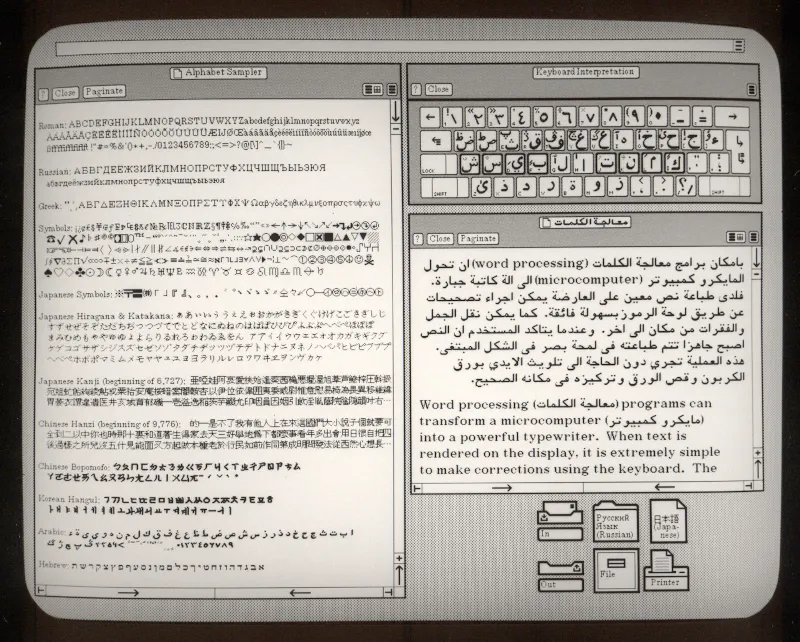
The first Xerox Star 8010 was manufactured in the United States and released to the public in 1981, even though development had started in 1979. The machine itself had groundbreaking technologies at the time and arguably was copied by the Apple team for the Apple Macintosh. Information about its Arabic capabilities is limited, but we will do thorough research about it. The screen below shows its rendering of Arabic fonts for word processing.
دعم Sinclair ZX Spectrum العربية – Sinclair ZX Spectrum Arabic support
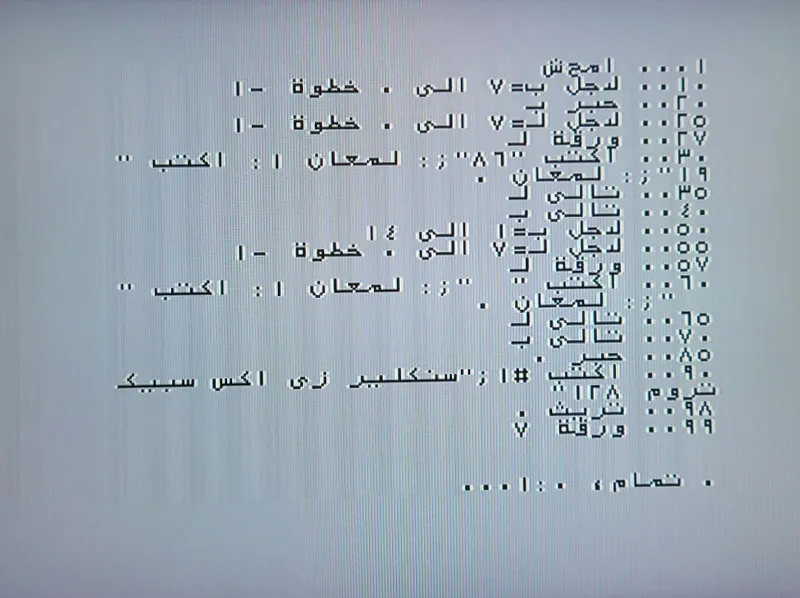
The Sinclair ZX Spectrum is a personal home computer that was manufactured in the United Kingdom by Sinclair Research in 1981. Technically it was manufactured in the 80s period, but I would like to keep it as late 70s because it is the period when the microprocessors that power personal computers became cheap and were accessible for companies to build the early systems. I do not have a photo of the original Spectrum in Arabic, but I do show below a screenshot of a 1987 version that supports Arabic. I will have a dedicated page about the Arabic version of the Spectrum Sinclair after I experiment with an existing emulator for the machine
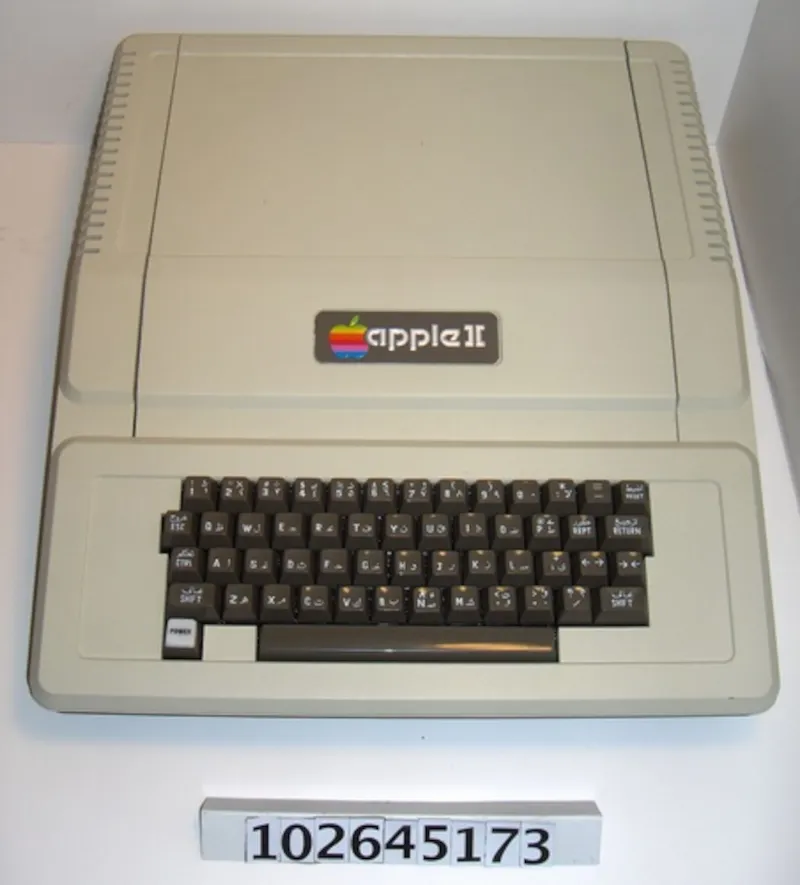
آرا أبل – النسخة العربية من آبل 2 – Ara Apple (Arabic version of Apple II)
The AraApple is the modified version of the Apple II and was manufactured in 1979. It included a specialized chip for typing in Arabic, and it also included a physical switch to toggle between languages. There will be more research about this computer at a later stage. I did manage to find various documentations about it.
فترة الثمانينيات – The Eighties Period
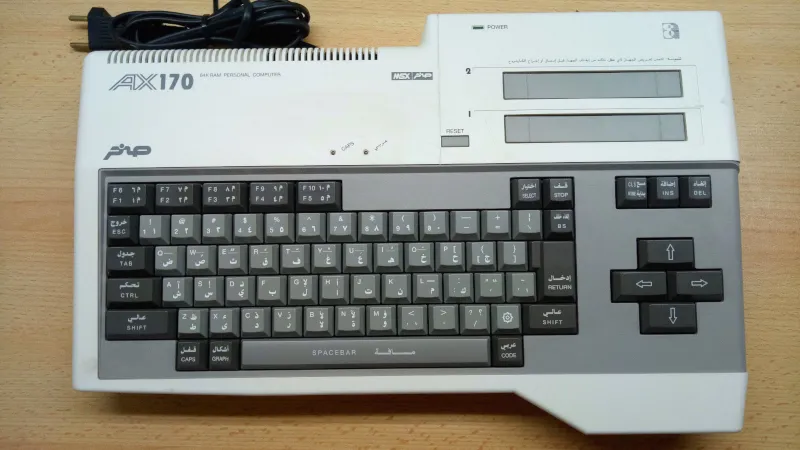
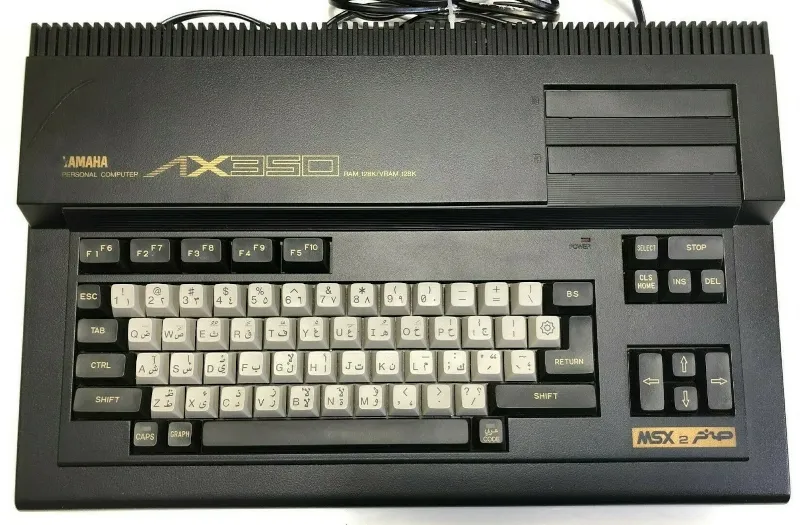
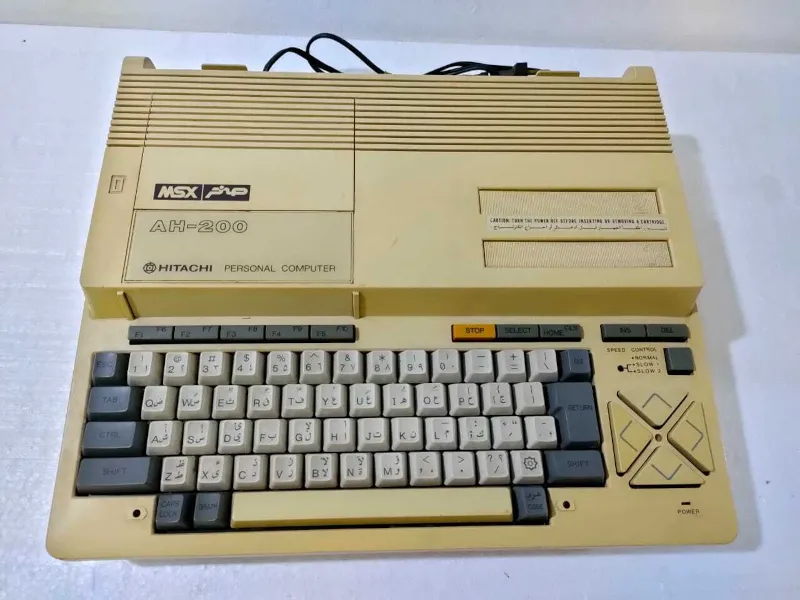
The 80s period saw an influx in Arabic-supported computer hardware, which includes partnering with international companies, local manufacturing, and mass production for Arab communities. The most famous of all were the computers under the brand Sakhr by the Kuwaiti company Sakhr that was founded in 1982 by the late Mohammed Al-Sharekh. Mr. Al-Sharekh is regarded as the father of Arabic-based computers in the Arab world. His company built the first Arabic language operating system, extended the MSX computers that were developed by Microsoft for the Japanese market into the Arabic Sakhr computers, and made numerous Arabic software, including the Arabic version of the BASIC computer language for the Arab markets.
كمبيوتر صخر – Sakhr Computer
There is a lot to discuss about the Sakhr computers, and we will reserve this for later topics. Some of the key Sakhr computers that were manufactured in the 80s were the Sakhr AX-170, Sakhr AX-350, and Sakhr AH-20.I found technical details about the Sakhr computers at msx.org. I will share my findings at a later article
الوركاء 6001 & 6002 في العراق مبنية على كمبيوتر NEC PC-6001 من NEC
سلسلة الحواسيب الفاتح — نسخة معدله من صخر AX-170 لمنطقة ليبيا.
Other Arabic-based computers that were manufactured at the time include:
Al-Warka 6001 & 6002 in Iraq based on the NEC PC-6001 computer from NEC
Bawareth Perfect MSX 2 in Saudi Arabia was built by Daewoo and distributed by Bawareth Enterprises.
Al Fateh computer series—a rebranded version of the Sakhr AX-170 for the Libya region.
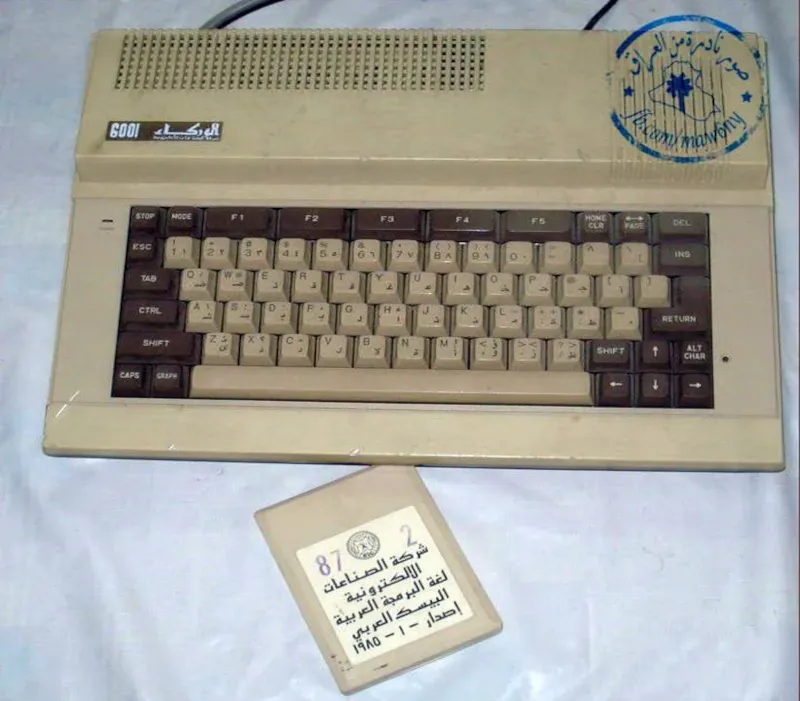
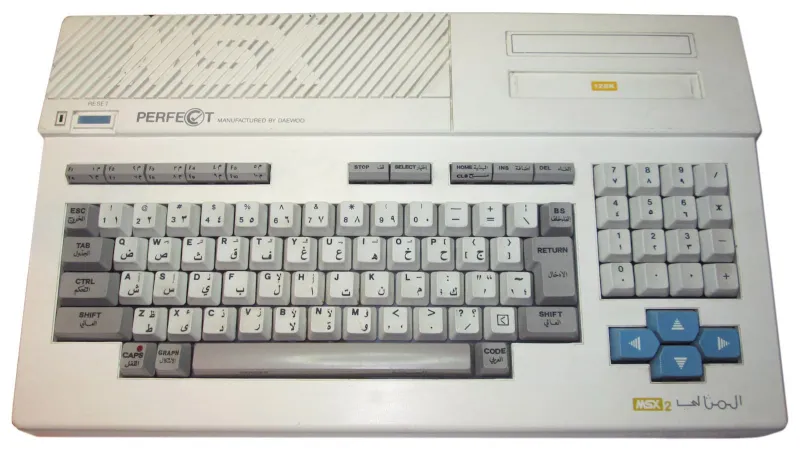
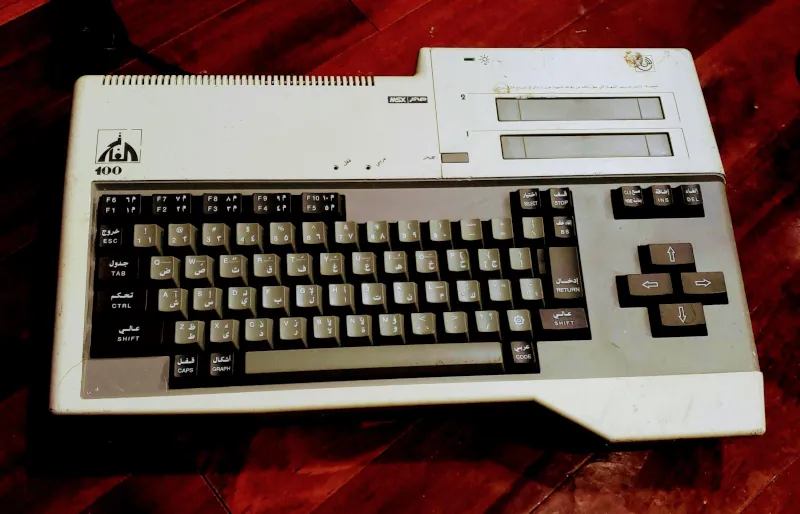
The computers above and probably others that I did not find yet helped shape the personal computer in the Arab world for home and educational use. Subsequently, the IBM personal computer and the Microsoft operating system, MS DOS, followed by the early versions of the Microsoft Windows operating system along with the Apple Macintosh, were making a strong presence in the business world. This became more impactful in the 90s when fewer dedicated Arabic computers were necessary and were being replaced by standard personal computers that have Arabic support inside their operating systems
التسعينيات – The 90s
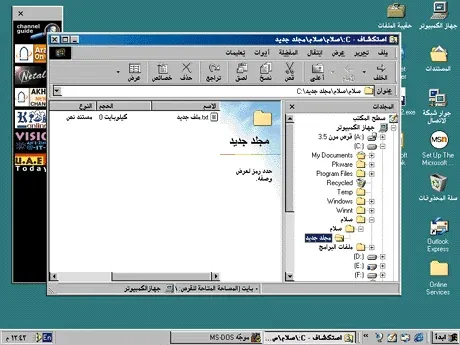
This period saw the global rise of the IBM personal computer, the Microsoft Disk Operating System (DOS) with Arabic support, the Macintosh with the Arabic Language Kit, and the Windows 95 and Windows 98 Arabic editions. Sakhr released its last dedicated Arabic computer, the Sakhr AX-990. Sun Microsystems released an Arabic version of their high-end UNIX workstations for research and academia. Various institutions were focusing on the Arabic software that can run on standard Latin-based computers that now support the Arabic language as well. Soon such computers became key assets across businesses all around the Arab region and soon replaced the Arabic home computers that had dedicated Arabic hardware, such as the Sakhr.
الألفينات وما بعدها – The 2000s and beyond
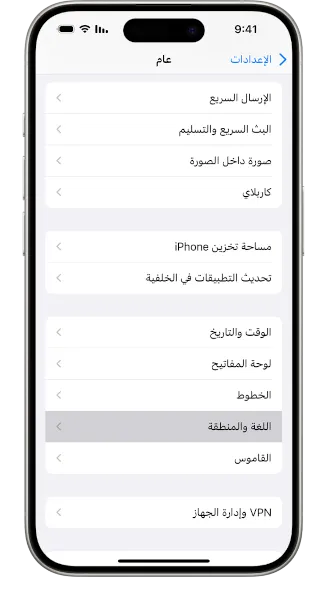
The computer software matured across the standard personal computers, making machines become global platforms. The Windows XP Arabic edition, the Mac OS X with Arabic support, Arabic editions of the Linux operating system, Arabic-interface mobile phones, and various Arabic e-readers became common household and business devices all around the region. Hence, the presence of dedicated Arabic hardware became obsolete. However, there is now more evidence that the use of Arabic in computers and on electrical devices is degrading since the new Arab generations are becoming more proficient in English, the language of the Internet. But that should not be the case. We will discuss more about this in the future
This article sets the stage for the various research topics that I need to cover: What efforts took place between the 40s and 60s to support Arabic in computers? How was the Arabic language supported in the computer hardware and software of the 70s and 80s? What are some of the key Arabic-based hardware and software that were natively in Arabic, and what happened to those? Until next time
مصادر – Resources
Almowanes (2017) “History of Computing in Saudi Arabia: A Cultural Perspective”, International Journal of Social Science and Humanity, Vol. 7, No. 7, July 2017
Screenshots of MSX Sakhr, Bawareth, and AlFateh computers from msx.org
AraApple II screenshot from Computer history.org Archive.org
ZX Spectrum Sinclair Arabic screenshot from Sinclair Collection
AlWarka computer screenshot from Reddit
IBM 1401 computer screenshot from Computer History Museum
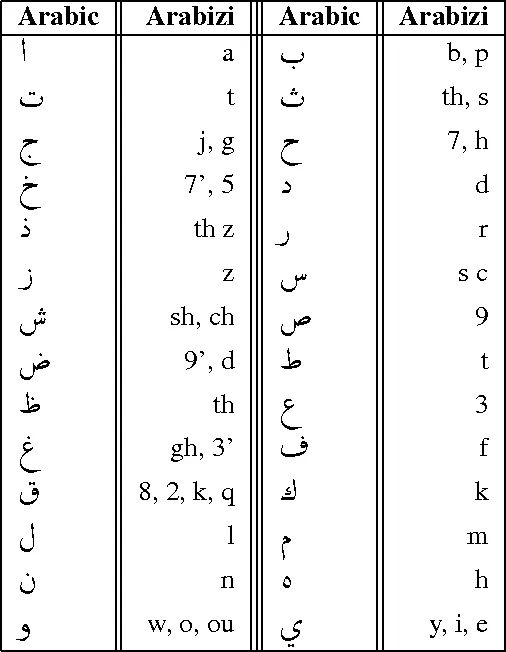
Arabizi screenshot from Semanticscholar.org
Windows 98 Arabic screenshot from Archive.org

Apple IPhone Arabic screen shot from Apple.com